Schedule Your Consultation
Pick a date and time that works best for you.



Corporate events have shifted dramatically over the last few years. They are no longer just formal gatherings, stiff networking sessions, or mandatory annual boxes to check corporate event management. Today, forward-thinking businesses view them as dynamic, powerful tools designed to build cohesive teams, lock in client loyalty, elevate brand visibility, and drive real business growth.
Whether you are putting together a high-stakes leadership summit, a massive product launch, an annual conference, or a vibrant employee engagement day, every single event represents a significant chunk of your company’s capital.
Because of this, leadership teams are asking a critical question: Are we actually getting a tangible return on this investment, or are we just throwing a very expensive party?
The secret to moving your events from the “expense” column to the “asset” column lies entirely in strategic event budget planning. A well-constructed budget does far more than just keep your expenses from spiraling out of control—it ensures that every single rupee spent actively pulls its weight to achieve your specific business goals. Let’s dive into how modern organizations can maximize their ROI while creating truly memorable, high-impact corporate experiences.
Before you even look at a venue brochure, jump on a call with a vendor, or pick out a menu, you need to step back and define exactly what success looks like. If you don’t know where the finish line is, you will waste a lot of money running in the wrong direction.
Ask yourself and your stakeholders the tough questions:
Your core objectives will dictate every single financial decision down the line. When your event goals are crystal clear, it becomes incredibly easy to allocate your resources effectively. You quickly realize what matters and what is just fluff. This highly strategic approach is exactly why so many fast-growing businesses rely heavily on professional company event management services. Having an expert team align your spending with your core business targets eliminates waste from day one.
One of the most frequent mistakes internal planning teams make is trying to spread the budget perfectly evenly across every single aspect of an event. It feels fair, but it’s bad strategy. In the real world, not every element carries the same weight or leaves the same impression on your guests.
Think about the last corporate event you attended. Do you remember the color of the table runners, or do you remember that the audio cut out three times during the keynote speech? Do you remember the overpriced ice sculpture, or do you remember how easy it was to connect with people during the breakout sessions?
Instead of spending heavily on unnecessary, forgettable extras, aggressively prioritize the high-impact areas that genuinely shape the attendee experience:
A thoughtful, ROI-driven budget isn’t about cutting corners to spend as little as possible, nor is it about blindly overspending. It is entirely about spending smarter by over-indexing on the things that matter and cutting out the things that don’t.
If you are looking for an area of corporate spending that consistently delivers massive, compounding, long-term ROI, look straight at your own people. Corporate events provide a rare, golden opportunity to break down departmental silos, breathe life into your workplace culture, and genuinely ignite employee morale.
This is precisely where integrating creative team building activities ideas can completely transform the energy of your event. If your team-building consists of sitting in a conference room playing icebreaker games from twenty years ago, people will roll their eyes and disengage.
Instead, look for fresh, modern team building activities ideas that push people to collaborate, communicate openly, and solve complex problems together in an environment that doesn’t feel like a standard day at the office.
[Experiential Challenges] ➔ [Interactive Workshops] ➔ [Collaborative Problem-Solving]
Whether you choose outdoor experiential challenges, interactive design-thinking workshops, or high-energy collaborative games, the goal is the same: transform a standard corporate gathering into a shared human experience that your team members will actually talk about in the breakroom for the next six months. When your employees leave an event feeling valued, deeply connected to leadership, and motivated by their peers, the productivity and retention benefits extend far beyond the venue walls.
If you are still managing your event registrations via messy, disconnected spreadsheets and manual emails, you are draining your team’s time and bleeding money through administrative overhead. Modern event planning is incredibly efficient, thanks to a robust ecosystem of event technology.
Implementing digital registration platforms, custom event apps, QR-based check-ins, and live polling tools does two things simultaneously: it makes your company look incredibly polished and professional to your attendees, and it slashes your back-end administrative costs.
Furthermore, technology gives you real-time data that used to be impossible to capture. You can instantly see which breakout sessions were packed, track exactly when people checked in, drop live surveys to gather immediate feedback, and accurately measure engagement levels. Forward-thinking organizations are making tech a cornerstone of their company event management playbook because it simultaneously elevates the guest experience while keeping operational costs incredibly lean.
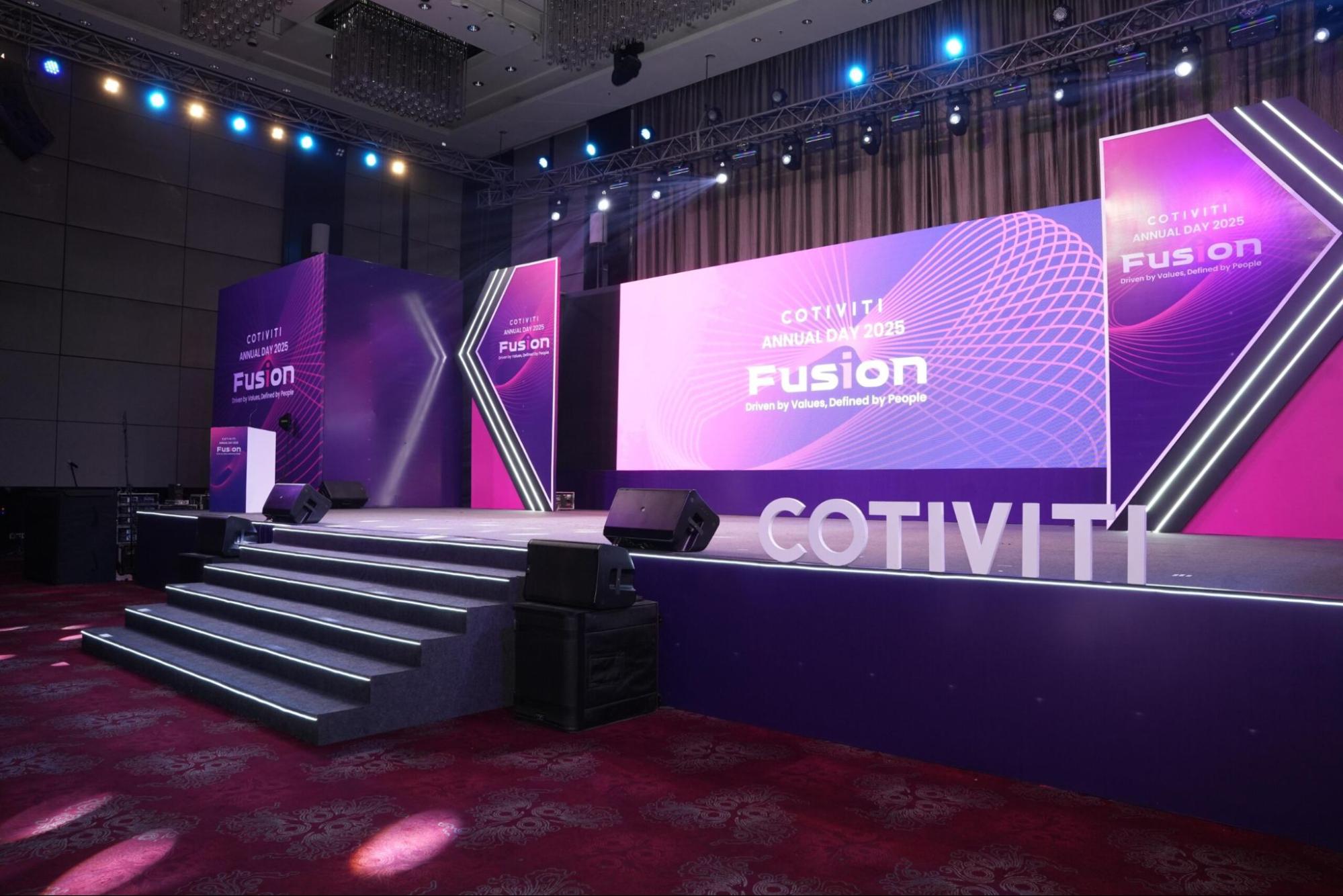
You can design the most beautiful, balanced budget spreadsheet in the world, but it won’t mean a thing if execution falls apart on the ground. Last-minute vendor price hikes, logistical delays, and hidden venue fees can destroy your margins in an afternoon. That is why choosing the right execution partner is arguably your most critical safety net.
If you are operating out of major commercial hubs, local expertise is irreplaceable. For example, collaborating with an established corporate event management company in Pune gives you access to deeply rooted local vendor networks, seasoned production crews, and historical knowledge of regional venues.
Beyond just handling the chaotic logistics on the day of the event, a professional corporate event management company in Pune brings massive strategic value to your budget planning. They know exactly how much things should cost, how to negotiate premium packages that internal teams can’t access, and how to spot hidden fees in venue contracts before you sign them. They save you from making the costly, invisible mistakes that instantly drain your event ROI.
A successful corporate event is never defined simply by the number of people who walked through the door. If five hundred people show up but leave feeling bored, disconnected, or confused about your message, the event was a financial failure.
To understand your true return on investment, you must conduct a rigorous post-event analysis using a mix of qualitative and quantitative metrics:
|
ROI Category |
Specific Metrics to Track |
|
Internal Culture |
Anonymous employee satisfaction surveys, post-event retention rates, and qualitative culture feedback. |
|
Business Development |
Number of qualified leads generated, new client acquisition costs, and pipeline movement. |
|
Client Relations |
Client feedback scores, account renewal rates, and direct upsell opportunities realized post-event. |
|
Brand Equity |
Social media reach, brand mentions, media coverage, and inbound inquiries. |
Taking the time to dive into this data is a non-negotiable phase of professional company event management. It ensures that your business doesn’t just repeat the same playbook year after year, but instead learns exactly what resonates with your audience, allowing you to optimize your spending and drive higher returns with every successive event.
Let’s clarify a major misconception: cutting costs does not mean your event has to look cheap. Some of the most impactful, polished corporate events are executed on lean, highly optimized budgets because the planners made incredibly smart operational decisions.
Consider these practical, highly effective tactics to protect your bottom line without touching the guest experience:
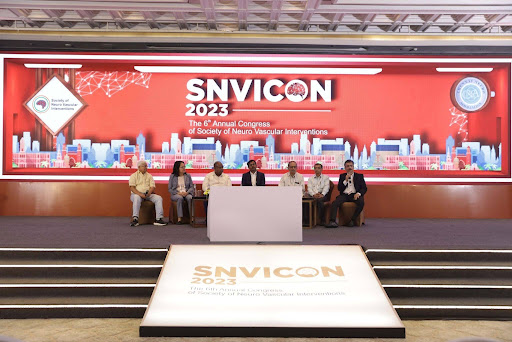
At the end of the day, corporate events should never be approached as a financial burden or an arbitrary corporate obligation. When you approach them with clear intent, strict financial discipline, and a human-centric focus, they become incredibly powerful accelerators for your business.
Maximizing your event ROI isn’t about tracking down the cheapest options or spending lavishly to impress an audience. It’s about balance. By locking in clear goals early on, focusing your funds on unforgettable experiences, using modern team building activities ideas to genuinely connect your people, and partnering with a trusted, deeply experienced corporate event management company in Pune, your business can ensure that every single rupee spent delivers lasting, measurable value.
The most successful events are rarely the ones with the largest budgets—they are the ones planned with the greatest clarity, executed with absolute precision, and designed with a deep understanding of human connection. That is the true heart of effective company event management, and that is how you secure an undeniable return on your investment.
