Schedule Your Consultation
Pick a date and time that works best for you.


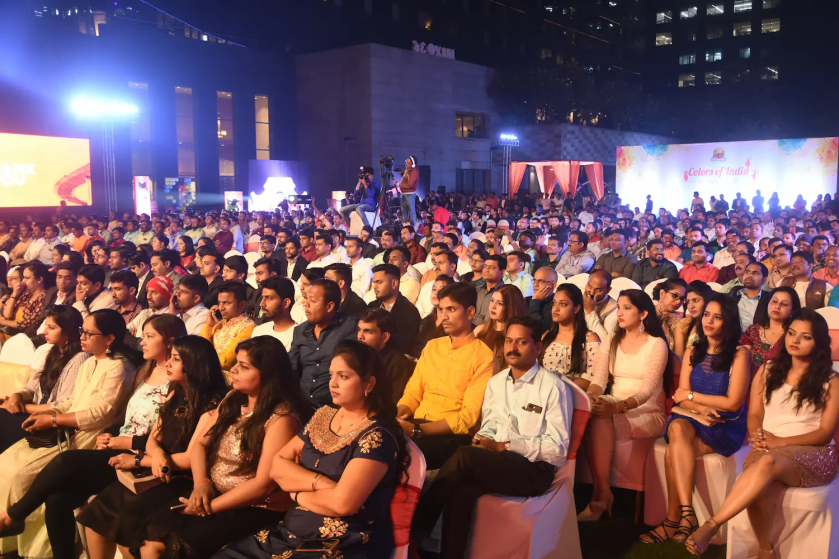
In today’s fast-paced corporate landscape, corporate events have transcended their traditional role as mere calendar fixtures. They are no longer just formal assemblies or standard networking mixers; rather, they serve as high-stakes strategic platforms. Done right, high-impact corporate events motivate workforces, secure client loyalty, anchor brand authority, and accelerate commercial growth.
From high-profile leadership summits and global industry conferences to product launches, trade exhibitions, and internal employee engagement programs, execution is everything. Because the margin for error is non-existent, organizations increasingly outsource these operations to professional event specialists.
Behind every seamlessly executed function is a dedicated team of experts translating abstract corporate goals into precisely orchestrated realities. While attendees only witness the polished final production, the true substance of an event is forged behind the scenes through rigorous planning, logistical discipline, and strategic design.
The primary differentiator of a premium event management firm is its refusal to plan in a vacuum. Exceptional execution begins long before venue selection or contract negotiations; it starts with deep strategic alignment.
Every corporate gathering must serve a specific business diagnostic. A brand trying to cultivate late-stage sales leads requires a completely different operational blueprint than an organization trying to rebuild cultural alignment after a major corporate restructuring. Experienced planners initiate the discovery phase by auditing core objectives:
By answering these fundamental questions early, event professionals construct an operational framework ensuring that every line item in the budget directly advances the client’s corporate agenda.
An exceptional event is simply the byproduct of meticulous preparation. Professional event managers operate on the principle that predictability is engineered. Months before the first attendee arrives, a comprehensive logistical infrastructure is put into motion.
Planners build detailed critical-path timelines, allocate capital across high-impact verticals, vet third-party vendors, and establish clear communication protocols. Managing an enterprise-level event means controlling hundreds of moving pieces simultaneously—including venue procurement, complex AV production, premium catering, transportation manifests, and digital security.
This level of operational precision insulates the corporate client from the friction of daily event logistics, allowing internal leadership teams to focus entirely on their stakeholders and core messaging.
Designing Immersive Experiences and Dynamic Team Building
Presentations, slide decks, and corporate speeches are easily forgotten; what remains long after an event concludes is the cognitive impression of the experience. Modern event management prioritizes active participant engagement over passive observation.
This psychological approach is vital when designing internal employee programs. To shift away from generic corporate programming, companies look for innovative team building activities ideas that push beyond cliché icebreakers.
Modern team building activities ideas are built around experiential learning, high-stakes collaborative challenges, and structured problem-solving simulations. These activities challenge cross-functional teams to communicate clearly, navigate ambiguity, and build trust in a high-energy environment. When employees are actively engaged in shared challenges, the event shifts from a mandatory corporate obligation to a powerful tool for cultural alignment.
An organization’s long-term market performance is tied to its internal talent retention. Consequently, strategic reward and recognition initiatives have become a core focus of corporate human resource strategies.
Professional planners collaborate with enterprise clients to design sophisticated employee appreciation days that move beyond generic recognition. Whether producing a gala awards ceremony, a milestone corporate anniversary, or an off-site cultural retreat, these initiatives require deliberate design.
When employee appreciation days are executed with prestige and careful attention to detail, they communicate authentic organizational value. This investment yields clear business dividends by reinforcing a positive corporate culture, boosting operational morale, and driving long-term talent retention.
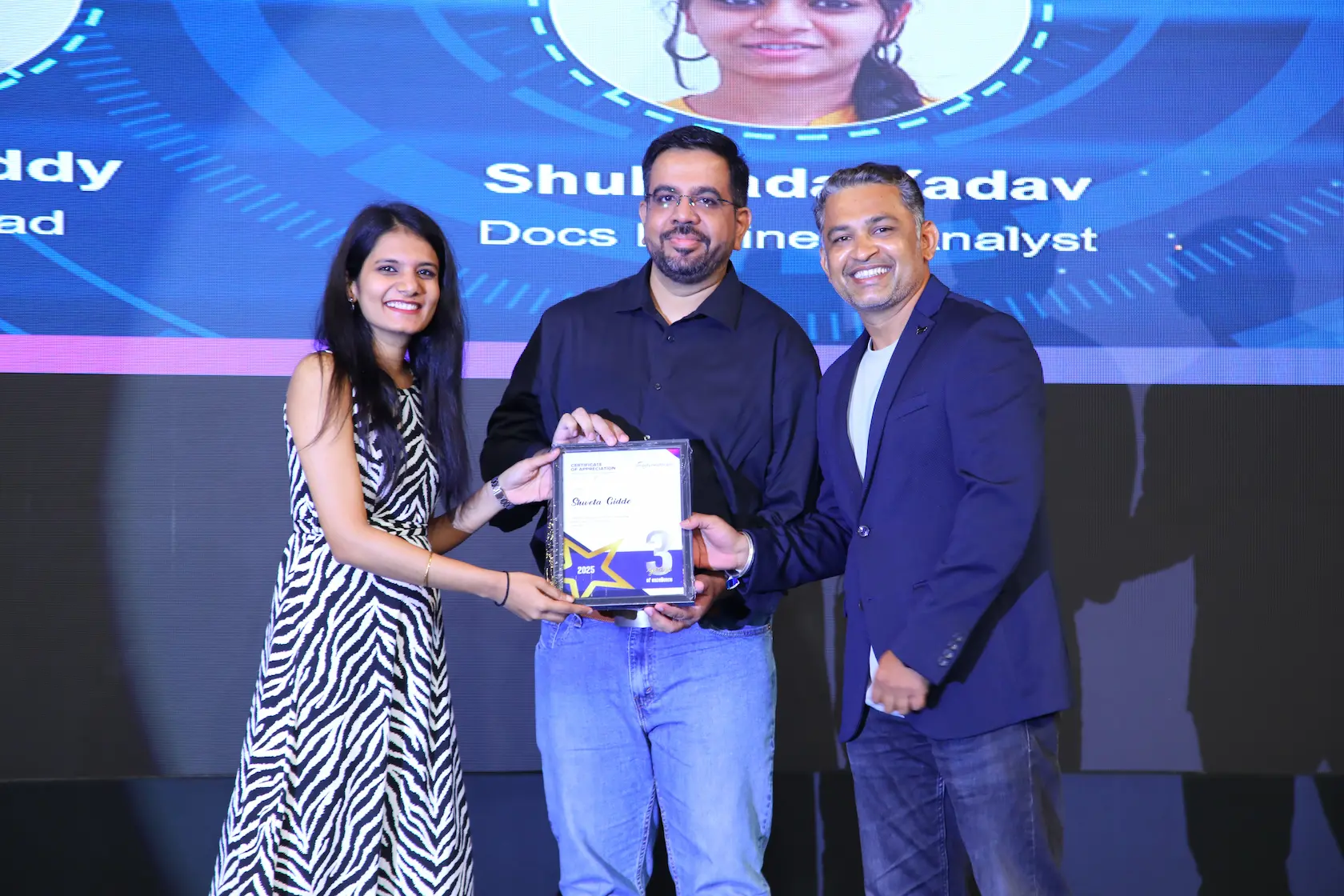
Executing large-scale conferences is a complex exercise in project management. These massive operations frequently bring together hundreds or thousands of delegates, international speakers, corporate sponsors, and media partners across multiple concurrent tracks.
Managing this complexity requires a highly specialized team to oversee key operational layers:
By managing these operational layers with absolute precision, event professionals protect the integrity of the content, allowing delegates to network, learn, and collaborate without technical or logistical interruptions.
Trade shows and commercial exhibitions offer businesses an elite arena for direct market engagement and customer acquisition. However, standing out in a crowded hall of competitive exibition requires deliberate environmental design.
Event management firms work closely with exhibitors to maximize their physical footprint. They oversee bespoke booth architecture, integrate interactive technology, optimize floor layout for visitor flow, and deploy streamlined digital lead-capture systems.
An intelligently designed exhibition space changes the nature of booth traffic from casual onlookers to qualified business opportunities. Experts understand how to balance striking brand aesthetics with functional spaces that facilitate private business conversations, maximizing the financial return on your exhibition spend.
One of the most critical advantages of hiring a professional event firm is their approach to risk management. No matter how meticulously an event is planned, live environments are naturally subject to real-time variables.
Whether handling a sudden technical glitch, a speaker delay, a sudden catering issue, or an unexpected venue constraint, experienced event managers operate with quiet efficiency. They develop comprehensive contingency matrices long before the event begins.
Because they anticipate potential points of failure, they can resolve live issues instantly behind the scenes. This level of preparedness gives corporate leadership complete peace of mind, knowing that their brand reputation is protected by seasoned professionals.
The integration of advanced technology has fundamentally changed how corporate gatherings operate, enhancing both backend efficiency and front-end attendee interaction. Premium event firms leverage data-driven ecosystems to streamline every phase of an event:
This technological framework does more than modernize the guest experience; it captures valuable, anonymous behavioral data that allows organizations to accurately measure audience engagement.
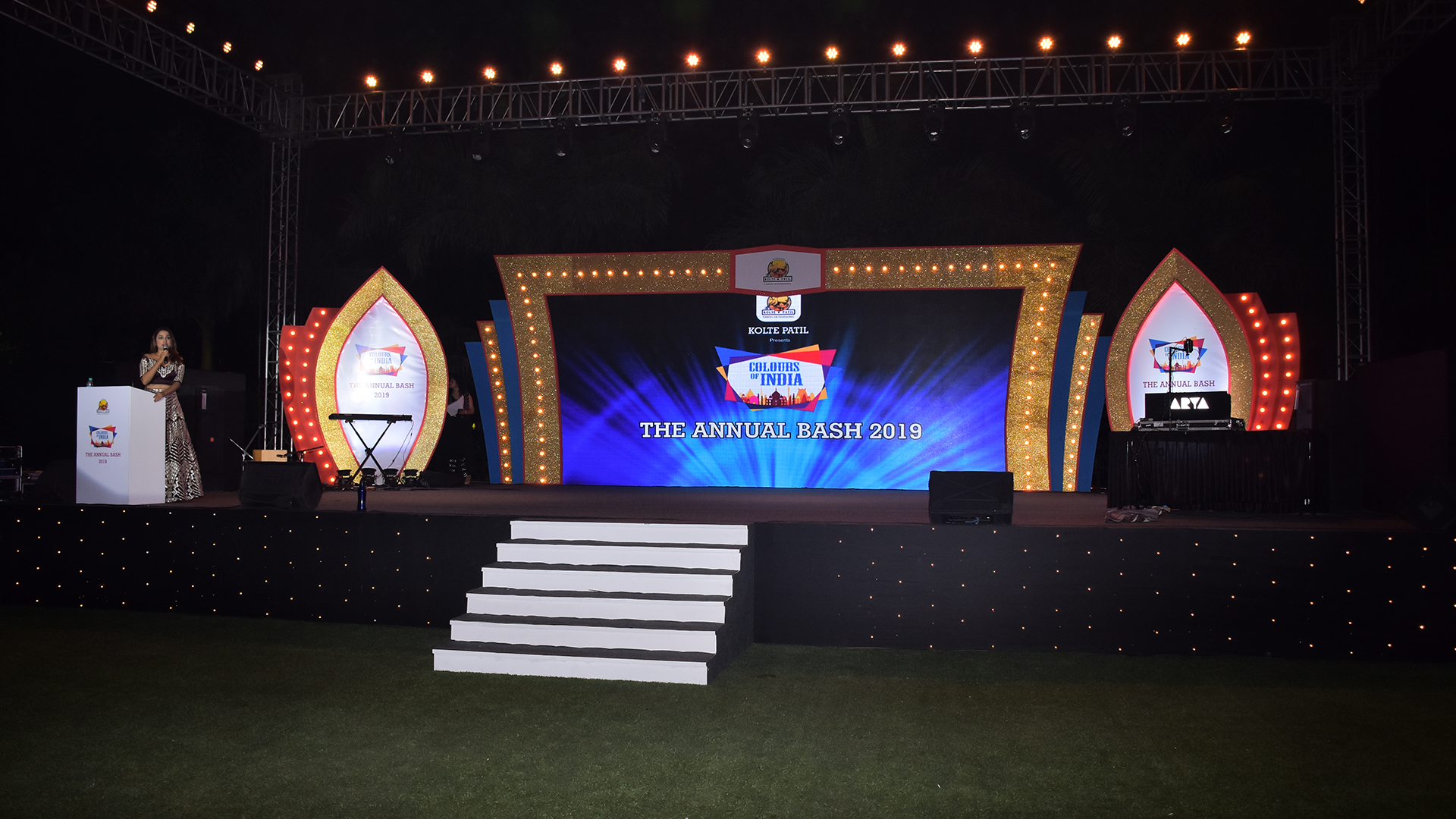
True event success cannot be measured by attendance numbers alone. A high-performing event must deliver clear, actionable data that proves its value to the business.
Following the conclusion of an event, professional planners lead a rigorous post-event analysis to evaluate key performance indicators (KPIs) against initial benchmarks:
Vertical | Evaluated Metrics |
Participant Sentiment | Net Promoter Scores (NPS), targeted qualitative surveys, and post-session evaluations. |
Commercial Impact | Volume of qualified leads captured, pipeline acceleration, and immediate sponsorship ROI. |
Internal Alignment | Post-event culture metrics, retention tracking, and qualitative feedback from leadership. |
This analytical debrief turns a single event into a highly repeatable, optimization-ready business tool. It gives executive boards the exact clarity they need to justify their event spend and refine their strategy for future gatherings.
Successful corporate experiences are never the result of luck. They are engineered through strategic insight, operational discipline, and creative precision.
Whether an organization is launching massive industry conferences, coordinating impact-driven employee appreciation days, organizing structured team building activities ideas, or hosting high-stakes client summits, partnering with an elite event management firm changes the entire equation. By blending logistical expertise, cutting-edge technology, and sharp risk mitigation, professional planners allow businesses to cut through the operational noise—delivering experiences that protect brand reputation, unify workforces, and drive measurable corporate growth.
